The Guardians of the Sacred Chamber
The Quran positively enjoins the taking of slaves in Jihad, “When you meet the unbelievers, smite their necks, then, when you have made wide slaughter among them, tie fast the bond of slavery” (Sura 47:4). Most slaves were obtained via Ghazwa or raiding.
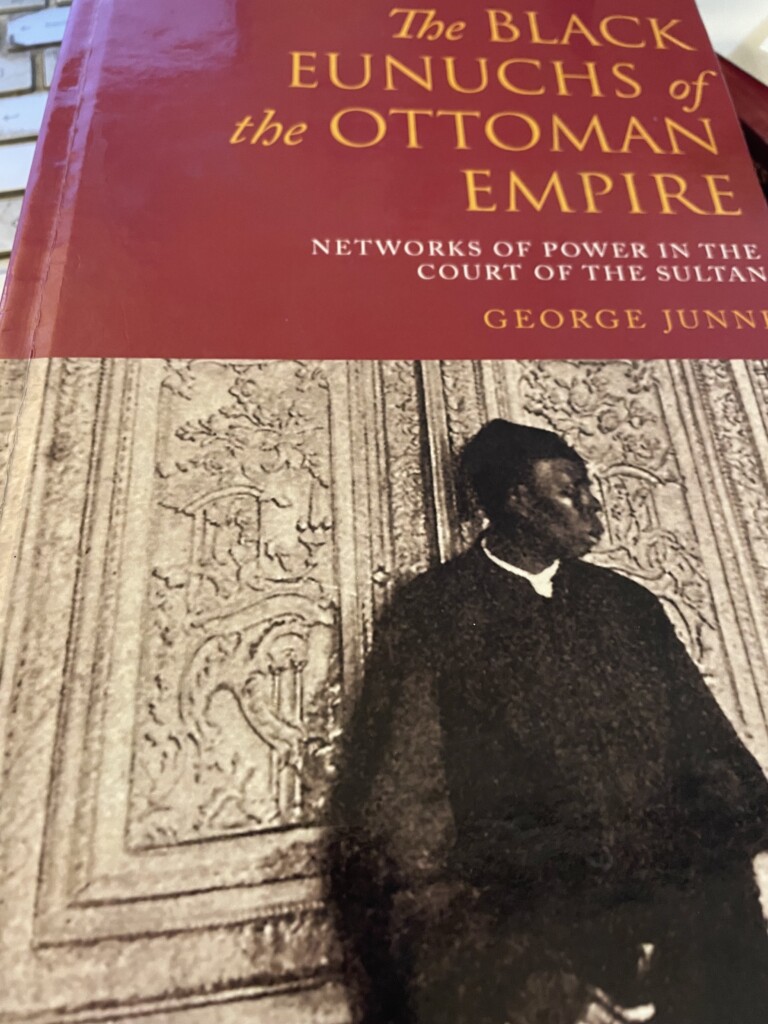
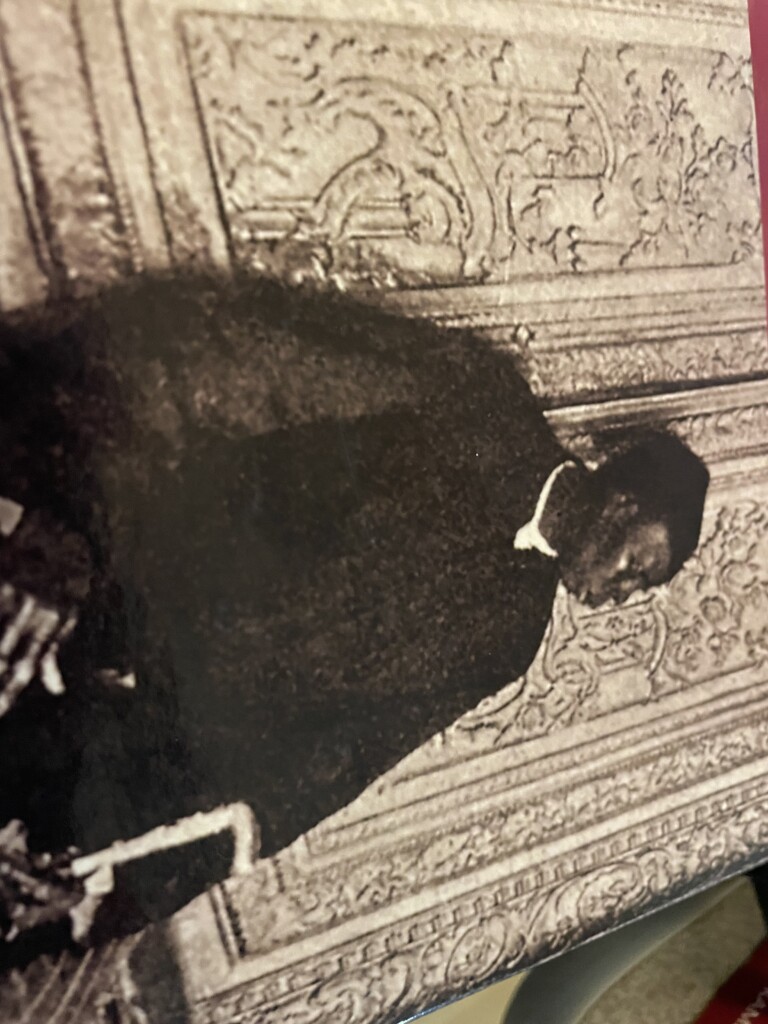
Of the slaves, unique are the slaves who were castrated and made into Eunuchs.
The overseers of the Harams or the sacred zones that extended for miles around mecca and Medina and in which non-Muslims were forbidden, sough eunuch slaves. During the 1850s there were 80 eunuchs at the Mosque of Ka’ba in Mecca and 120 at the Prophet’s Mosque in Medina. Some were purchased from Abyssinia to serve Medina (William Ochesenwald, “Muslim-European Conflict in the Hijaz: The Slave Trade Controversy: 1840-1895: Middle Eastern Studies 16 1980.” ).
The Sultan who first placed the eunuchs in the haram (sacred zone surrounding the city, not to be confused with “harem”- of Medina was imposing the structure of a royal household on the tomb of the messenger of god. On a political level, the introduction of the eunuchs into the harem was a kind of Sultanization of the Prophet. Just as a corps of eunuchs, themselves symbols of royal authority, controlled access to the private chamber of Sultan, these eunuchs would guard the hujra (chamber or dwelling that enclosed the grades of the Prophet and Abu Bakr and Umar) which was both the tomb and , in his lifetime, the most intimate area of the Prophets’ own household — the chamber of his favorite wife” (Shaun Elizabeth Marmon, “The Eunuchs of the Prophet: Space, Time and Gender in Islamic Society” (Ph.D. diss Princeton University 1990). And John Huwick, “The Slave Trade in the Western Sudan, 22).
The privileges granted to eunuchs in the sacred spaces of the Harameyn, the term for the sacred spaces of Mecca and Medina, had to do with the idea that these sacred spaces bore similar notions of public and private space as the household harem found in discussions of court culture in the Islamic world.[13] Jane Hathaway notes that “eunuchs were the logical occupants of the liminal space between the sacred space of the tomb and the public space outside the tomb precinct,” which is parallel to the eunuch’s role in the imperial harem in the palace in Istanbul.[14] Therefore, as the interlocutors between one of Islam’s most sacred spaces, the Prophet’s tomb, and the public political sphere of the management of Medina, the eunuchs served a vital role for Ottoman power in the city of Medina, a place in which they lacked the formal provincial governing structures as found elsewhere in the empire.
Through this relationship, the shaykh al-ḥaram in his direct connection to the Ottoman family, the management of the endowments in Medina, and his rulership over the city in the name of the Ottoman sultan, helped to cement his role as the most important figure in early modern Medina, making it the only major city outside of early modern Africa consistently governed by someone of African descent. To this day, there are still African eunuchs who protect the Prophet’s tomb, and while the practice stopped in the mid-twentieth century, the remaining eunuchs from that era reside still in Medina today and have been documented in Adel Quraishi’s Portraits of the Guardians exhibition.
References
Jane Hathaway, The Chief Eunuch of the Ottoman Harem: From African Slave to Power Broker, (Cambridge: Cambridge University Press, 2018).
(William Ochesenwald, “Muslim-European Conflict in the Hijaz: The Slave Trade Controversy: 1840-1895: Middle Eastern Studies 16 1980.” ).
The African Lords of Medina: Eunuchs and Power in the City of Medinahttps://memorients.com/articles/the-african-lords-of-medina-eunuchs-and-power-in-the-city-of-medina.
Shaun Elizabeth Marmon, “The Eunuchs of the Prophet: Space, Time and Gender in Islamic Society” (Ph.D. diss Princeton University 1990).
John Huwick, “The Slave Trade in the Western Sudan, 22).