Why The Clerics (Ulemas) resist the abolition of Slavery And Islamic Resistance To French Occupation was also Jihad
The acquisition of slaves and their widespread and large-scale employment by clerics were essential to the clerical enterprise. (48). In the Gambia Protectorate traveling commissioner, Cecil Setwell, conducted a survey on the south bank of the river and reported on the state of the slave trade in the area. He noted among other things, that there was a buoyant traffic in slaves, particularly those taken from Fode Jihad.
The clerics were firmly convinced that the French adopted an anticlerical policy to destroy Islamic institutions, including slavery and clerical solidarity. (p 64). It should be stressed that clerics could get away with such unapologetic involvement in slavery and the slave trade largely because Muslim society accepts the practice as congruent with revealed truth and with the example of the Prophet, whatever spin some conscientized jurist may put on it.
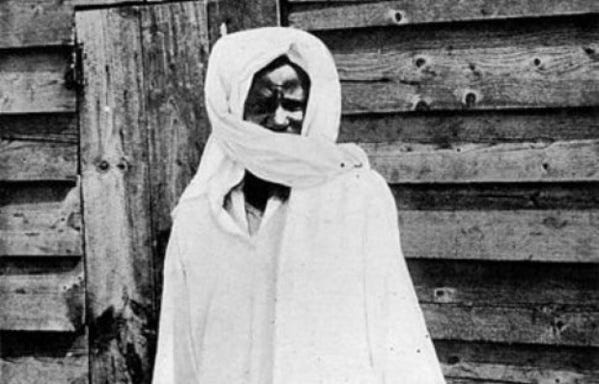
Cheikh Amadou Bamba (1853-1927) was a revered Senegalese Sufi saint, poet, and founder of the Mouride Brotherhood, a major Islamic movement emphasizing hard work, charity, peace, and self-reliance, who resisted French colonialism through non-violent spiritual teachings, establishing the holy city of Touba and inspiring millions with his piety and leadership, even during periods of exile.
• Jihad bi al-nafs: is the greater against one’s sinful inclinations.
• Jihad bi al-sayf: Jihad of the sword
• Jihad al-qawl: Preaching of the tongue
• Spiritual vs. Armed Jihad: Bamba redefined jihad as the inner struggle for self-purification (jihad al-nafs or “greater jihad”), rejecting armed resistance (the lesser jihad) as futile and sinful.
Nonethless, Cheikh Amadou Bamba’s resistance to French colonization and can be regarded as a resistance movement, but in no way it was a liberation for all or the establishment of a society free of Jihad, it was a Jihad of another kind. So after the decolonization resistance, it is not guaranteed that a Dar Ul Islam would be established and some amount of force would not be used to convert the pagan and other populations.
References
1. Martin, K. (1968). Islam and Imperialism in Senegal. Edinburg. Edinburgh University Press.
2. Lamin Sanneh (1997). The Crown and The Turban. Westview Press, Oxford.