According to Richard Benkin, “The number of Kashmiri Pandits (Hindus) that Islamists murdered is about double that of the number of deaths from the atomic blasts at Hiroshima and Nagasaki.” (Benkin, R. A Quiet Case of Ethnic Cleansing, Akshaya Prakashan, 2012, p, 57).
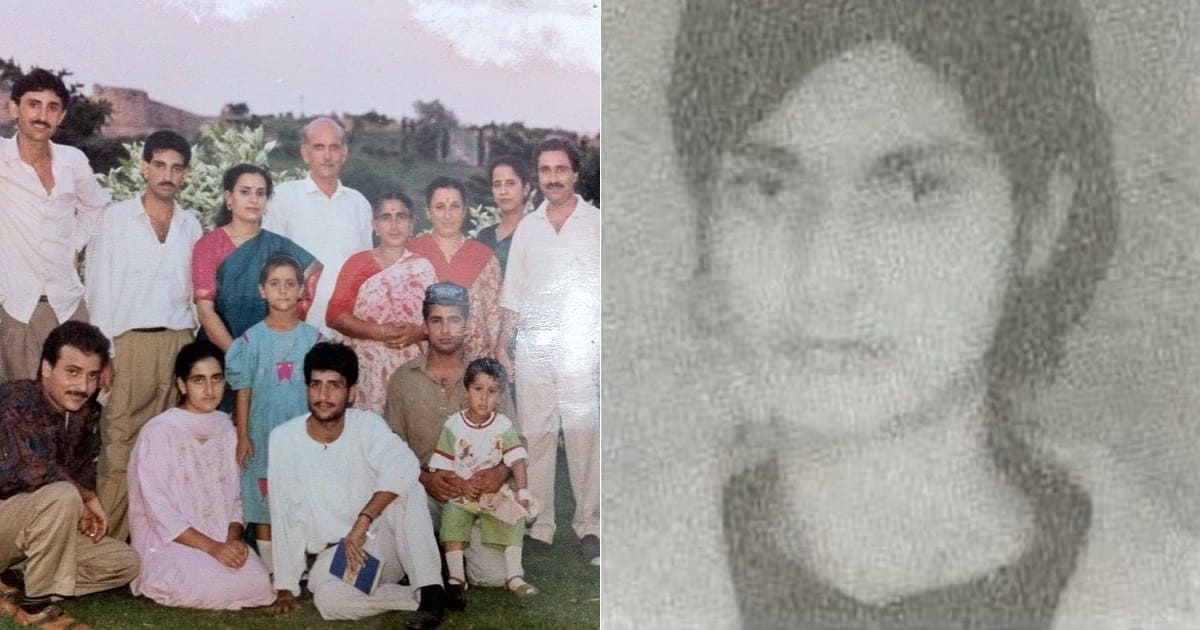
The killing, rape, and brutality on Girija Tikko is not just the murder and violence on one individual, but it is symbolic for what she stands for. Girija was a Kashmiri Hindu who fled Kashmir in 1990s like thousands to find refuge in Jammu. She was a high school teacher and did not collect her salary before she fled Kashmir. Her coworker told her that she should be back to collect her paycheck and not be scared. She knew the person and trusted him; what she did not know was that it was a death trap. The Islamists abducted her from her home and nobody in the neighborhood had the nerve to protest in the neighborhood. The attackers transported her to an unidentified location where they gang raped and sodomized her and while alive put her under a mechanical saw and cut her in pieces. It was not just the killing of Girija Tikko, but what she stands for, an infidel, a Kafir, who refused to convert and hence deserves to die. The killing and murder of Girija Tikoo was thus, symbolic, a symbol for the annihilation of a race.
According to Raphale Lemkin Genocide is ““… the destruction of a nation or an ethnic group… genocide does not necessarily mean the immediate destruction of a nation, except when accomplished by mass killings of all members of a nation. It is extended rather to signify a coordinated plan of different actions aiming at the destruction of essential foundation of the life of national groups, with the aim of annihilating the groups themselves.”
This is what Pandit Jonoraj said six centuries ago about Jatividhwansho or race annihilation.